
So you’ve lifted weights, hit the gym, run a mile, and broken a sweat. You’ve put in the hard work, but are you seeing the results? If not, the problem might not be how you’re training, but what you’re eating. Think of your body as a vehicle; you won’t feed it with cheap fuel, right? The same goes for your body; the food you eat is the fuel that powers your workout, helps your muscles to recover, and builds a strong you. Eating and exercise go hand in hand. What you eat and when you eat are important to how your body feels when you work out.
In this blog, you’ll get six easy yet very important steps to follow to get the absolute most out of the time you spend working out in the gym.
First off, adjust your eating schedule.
Choosing the right time to eat is equally important to choosing what to eat. Ever wondered why it’s important? Eating on time means treating your body right. Your body regulates circadian rhythm when you eat at a consistent time, which basically improves your metabolic health. Apart from that, you improve your sleep cycle and enhance focus and strength.
1. Strategically fuel yourself pre-workout:
Working out on an empty stomach or underfuelled can hinder performance, and you will notice symptoms like fatigue and dizziness, and you will be unable to maintain intensity. Eating the right food before you exercise helps in the effectiveness of the exercise and prevents you from feeling tired during the workout. Go for complex carbs, like bananas, whole-grain toast, or oatmeal. These are great sources of stable energy. Add some protein, like Greek yoghurt, eggs, or even a protein shake.
Avoid overeating; trust me, pre-workout meals can be extremely delicious, but maintaining a balance is crucial. Remember, if you are taking heavy meals, they should be taken at least 2 to 3 hours before working out. If you are unsure of what to eat, consider reaching out for nutrition counseling. With professional help, you can get a personalised meal plan for your body’s needs and your specific goals.
2. Prioritise post-workout nutrition:
After exercise, your body is tired, and your muscles are sore; they need to be fuelled right. This is where post-nutrition comes in.
Combine your protein and carbs, and make yourself a delicious fruit smoothie with protein powder. Eat lean meat with rice; don’t forget to add fibre to the meal. And aim to eat within 30 to 60 minutes after your workout for the best recovery.
3. Stay hydrated:
You can survive weeks without food but only days without water. Our body releases a good amount of water every day, especially when you work out; you sweat, and that sweat is the water stored inside your body. If you are not nourishing your body with enough water, you will end up feeling tired; even a little amount of dehydration can cause tiredness.
Carry a water bottle to the gym, and don’t forget to take a sip every hour. Drink water before you feel thirsty, because by the time you feel thirsty, you are already slightly dehydrated. Stick to water and avoid any sugary drinks and highly marketed energy drinks.
4. Prioritise protein for best muscle recovery:
Proteins are your muscles’ best friend. For anyone who is engaged in daily muscle training, protein is indispensable. Proteins are the main building blocks of your muscles. When we train our muscles, they tear. This is where proteins come in to help; protein rushes in to recover those tears. Making the muscles stronger and more toned than before. The best way to consume the proline is by taking it throughout the day instead of consuming it in a large amount at one time.
Some excellent sources of proline are lean meats (chicken, turkey, and beef). Dairy products like low-fat milk, yoghurt, and cottage cheese; apart from that, eggs, legumes, and seafood like salmon fish and prawns are some great sources of protein.

5. Take the right supplement:
while the bulk of your nutrition should come from natural foods only. But for the athletes who go beyond their bodies’ capabilities, certain supplements can give their bodies a concentrated boost of key nutrients that push their performance to the next level.
The common supplements that athletes and fitness people use are:
- Whey protein: It is the best source of concentrated protein, as it digests very quickly. And it is perfect as a pre-workout and post-workout supplement to give you a jumpstart into your workout routine.
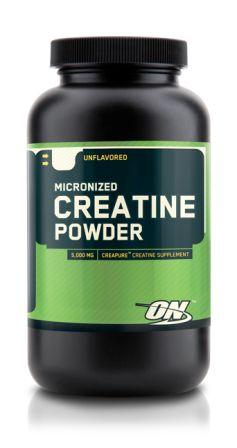
- Creatine Monohydrate: Creatine is another very popular yet very effective pre-workout supplement. Creatine provides your muscles with more energy for short, intense bursts of effort, such as weightlifting, which helps you gain strength, power output, and muscle size.
- Multivitamins and minerals: these ensure you’ve got enough minerals and vitamins to rebuild healthy cells in your body. Small gaps in your diet can easily sneak in, and they are very hard to identify; this is where a multivitamin supplement comes in – it ensures to fill all the minor diet gaps.
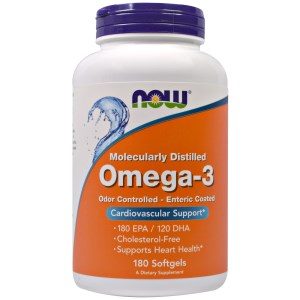
- Omega-3 and fish oils: these are the essential fats that your body needs. They are critical for your brain health and joint health. Healthy fats like omega-3 also reduce inflammation, which helps in quick recovery.
6. Avoid sugar as much as you can:
Sugar can give you comfort, but believe me when I say it’s your greatest enemy. While a small amount of sugar is fine, adding it to regular use can cause problems in your performance and health in several ways. The energy crash and sugary foods like candy, sweets, and tea, etc., can lower your energy levels. Consuming a high amount of sugar gives you a sugar crash that leaves your body craving more of it. A high amount of sugar in your body causes inflammation, which means slow recovery. When you consume unnecessary sugar, it gets stored in the form of fat in your body, and you eventually gain weight. It is a direct work against all the efforts you put into your workout.
The final takeaway
These six essential secrets can help your body fuel better for your fitness journey. Consistent timing, ample protein, serious hydration, and cutting down on sugar and alcohol are the real foundations of a successful body transformation. Don’t let poor food choices sabotage your dedication.
FAQ: frequently asked questions
Ques 1. Do I need to cut out all sugar to see results?
Ans: You don’t need to cut out anything; you can consume sugar occasionally, but try to cut it out as much as possible. Sugar doesn’t help your body anyway; it’s just harmful for you in the long run.
Ques 2. I live in Nashville. How can I maintain my health in the rush of my daily life?
Ans: Nashville indeed is a city of food and culture, and we understand how difficult it can be to take a step toward health. But many personal trainers in Nashville offer great support to those who just want to start their fitness journey.
Ques 3. What is the best time to eat after my workout?
Ans: Try to eat within 30 to 60 minutes after working out. After exercise, your body immediately needs nutrients to fuel itself. So it is advised to eat within 1 hour of a workout.