
Have you ever heard the word good bacteria? And what the fuss is about. These are probiotics, microbacteria that are unsung heroes that support your digestion, immunity, and even your mood. In reality, your gut is an entire ecosystem of bacteria collaborating. Let’s explore what a probiotic is, its applications, and why it is important.
What are probiotics?
So, probiotics are live microorganisms, mainly bacteria and yeast. That naturally lives in your body. While the word “bacteria” always had a bad reputation. These beneficial agents assist in the proper functioning of the digestive system. Probiotics are typically found in fermented foods such as yogurt, kefir, kimchi, sauerkraut, miso, and kombucha, or they can be consumed as dietary supplements. One of their primary roles is to help maintain the body’s natural balance of microorganisms, particularly in the digestive tract.
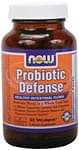
Why do probiotics matter?
These tiny bacteria in your stomach play a huge role in your gut health, more than just digestion.
Here are some key reasons why probiotics matter:
-
Support for Digestion and Nutrient Absorption
Probiotics help in breaking down complex carbohydrates and fats. And it ensures that your body absorbs all the vital nutrients it needs for healthy and proper function.
Probiotics prevent constipation, inflammation, bloating, and indigestion. So it is a one-stop solution for almost all gut problems.
-
Restoring Balance After Antibiotics
Antibiotics are meant to kill the bacteria inside your stomach, whether good or bad. But taking probiotics after taking antibiotics can help replenish the good bacteria and prevent digestive discomfort or antibiotic-associated diarrhea.
-
Strengthen your immunity
Almost 70% of our immune system resides in the gut; if the gut is healthy, you are healthy. So when probiotics enter the gut, they stimulate the production of immune cells in the gut. This way, you naturally elevate the ability of your body to fight the bacteria and viruses.
-
Weight Management and Metabolism
Some probiotics enhance fat absorption and support healthy metabolism; some people actually consume probiotic supplements to enhance their metabolism. It works best when you take counseling for nutrition. They guide you through each process, and they give a solution tailored to your needs.
What do probiotics actually do?
At the core, probiotics help maintain the balance between the good and bad bacteria in your gut. They ensure that your digestive system works at its best. Inside your intestines, probiotics help in breaking down the food, and they provide essential nutrients like vitamin K and vitamin B.
They also generate short-chain fatty acids, which nourish the cells lining your gut wall and strengthen your intestinal barrier, and this barrier acts as a defence shield for your intestines and prevents harmful pathogens and toxins from entering your bloodstream, which becomes a crucial factor in maintaining long-term immunity and health. That’s not the only thing; they also contribute to the communication between your gut and brain, a relationship commonly known as the gut-brain axis. They assist in the regulation of neurotransmitters like serotonin, which affects your mood, sleep, and overall mental health. This is why enhancing gut health can often result in improved emotional stability and lower stress levels. Furthermore, they help manage inflammation in your body, support detoxification processes, and aid in controlling cholesterol levels.
Probiotics have a whole different level of benefits, but supplements for probiotics should only be taken under the prescription of a health counselor. You can take counseling for nutrition before directly starting with the supplement.
Who should use a probiotic supplement?
While probiotics are beneficial for almost everybody, some people can gain a particular advantage from supplements.
- People experiencing digestive problems like bloating, constipation, irritable bowel syndrome (IBS), or acid reflux should certainly consider utilizing probiotics.
- Individuals with weakened immunity should take a probiotic supplement.
- Women should take probiotics to maintain their vaginal and urinary tract health, as they help prevent infections and restore the natural balance of bacteria.
- Athletes, frequent travellers, and individuals under chronic stress should take probiotics.
So if you are also someone who is unsure about taking a probiotic supplement, you should keep in mind these factors and also consult a nutrition counsellor or a health professional.
Conclusion
Your gut is the foundation of your overall health. Taking good care of your gut means taking good care of your body. And probiotics are the invisible guardians that keep it balanced. They aid in digestion, improve immunity, and improve metabolism. Nevertheless, not all probiotics are effective for every individual. The appropriate type and dosage are influenced by your health objectives, medical background, and lifestyle. Therefore, it is advisable to seek guidance from a healthcare professional before starting any supplement.
Faqs: frequently asked questions
Ques1. Can I take probiotics every day?
Ans. Yes, probiotics are absolutely safe for daily use. They can be taken from natural sources, like yogurt, and they can also be taken from supplements.
Ques2. Can I get probiotics from food alone?
Ans. Yes, fermented foods like yoghurt, kefir, kimchi, and sauerkraut are natural probiotic sources. Supplements are recommended if your diet lacks these foods.
Ques. 3. How long do probiotics take to work?
Ans. You may start noticing improvements in digestion or energy within a few days to weeks. However, significant gut balance can take up to 4–6 weeks of consistent use.