
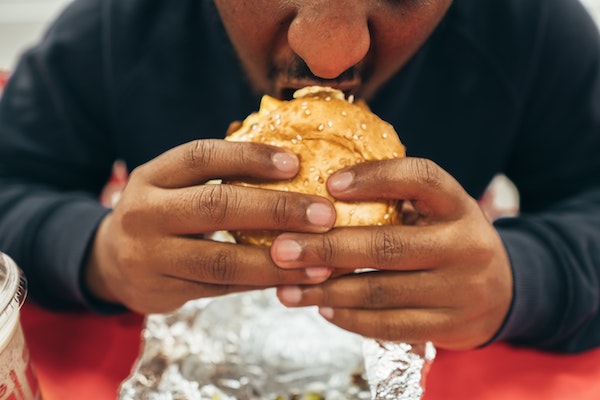
Stress eating is more common in people than they realise. Stress can affect us both mentally and physically. When the pressure builds up, our emotions run high, and many of us rush towards sugary snacks and salty chips. Which ultimately affects your health by spiking up the blood sugar, blood pressure, and cholesterol. Especially when stress becomes a part of your daily life, turning to food for comfort is very easy, but it only gives you a temporary sense of comfort, and over time, this stress-eating habit turns into a solid habit that is hard to break. You’re just stuck in a loop; you get stressed, you eat, then you feel guilty over it and turn back to more stress.
But the good news is, this stress eating does not have to be a permanent pattern. With just a few simple daily habits, you can retrain your mind and body to respond to stress more positively without relying on food for comfort. This comprehensive guide breaks down the five foundational habits that will empower you to manage your emotions without relying on food, leading to sustainable health, improved mood, and a feeling of genuine control.
But let us know how stress affects our appetite
Stress can affect your diet in different ways; some people lose their appetite, while others intend to carve more. Now stress is of two types: acute and chronic. Chronic stress is long-term stress that promotes cortisol, a stress hormone, and which increases appetite and cravings, particularly for highly palatable foods high in fat and sugar.
Acute stress, on the other hand, is a kind of stress that is for the short term and releases hormones like epinephrine (adrenaline), which temporarily suppresses the appetite.
Habits you can adopt to avoid stress eating
- Check in with yourself: when you know the reason, you can figure out the way to release that stress if you find yourself eating too frequently or eating too little. Take a minute and check in with yourself; know why you are going through this change Examine whenever you eat whether you are eating out of hunger or if something else is the reason.
Before you sit down to eat, make sure that you’re feeling well, whether stressed, bored, anxious, or lonely. Simply pushing and evaluating yourself can help you understand so much about yourself. If you feel the problem is serious, you should consult a healthcare professional immediately because this might be the sign of an eating disorder.
- Build a healthy coping mechanism: eating is a coping mechanism for many of us, but it is comfortable, soothing, and instantly rewarding. So it becomes a coping mechanism for many of us. That leads to binge eating for so many people.
But this is clearly not healthy for your body. Stress hormones are doing their work, but when they are combined with stress eating, it can be harmful to your health.
The solution is building a different coping and stress relief activity. That can be;
- Take a short walk or do light stretching
- Drink a glass of water or herbal tea
- Practice deep breathing exercises
- Do a 5-minute meditation
- Listen to a calming playlist
- Write down your thoughts or emotions
- Talk to someone you trust
- Step outside for fresh air
- Practice a hobby you enjoy
So whenever you notice a stress craving, you can pick any of these activities from our stress coping mechanisms. And move your body every day, which helps a lot with mood lifting.
- Practice mindful eating: Eating mindfully is one of the most effective ways to maintain eating habits and keep health in check. It encourages you to slow down and pay attention to your eating habits. To practice mindful eating, check in with your body first and make sure that you are truly hungry or if it’s just your stress or emotions. Then, during your meals, eliminate the distractions, like turning off the TV, pulling away the mobile phone, or anything that distracts you while you eat. Eat slowly and deliberately, take small bites every time, and control the portion. It is better to take the amount that you are capable of eating.
- Move your body to manage stress: when you are stressed, it is always advised to move your body; movement is very important to naturally reduce stress. Movement helps to burn off the excess cortisol and adrenaline circulating in your system, and it stimulates the production of endorphins, your brain’s feel-good neurotransmitters. You don’t need to engage in a grueling, high-intensity workout to reap these benefits. Consistency is far more important than intensity. A daily 20-minute brisk walk, a gentle yoga session, or some light stretching can dramatically shift your mental state and reduce the intensity of stress-induced cravings. This is a principle that any qualified personal fitness trainer will strongly advocate for; they understand that regular, manageable movement is foundational not just for physical fitness but also for emotional regulation and resilience. A personal fitness trainer can help you design a routine that you enjoy, which is key to making it a sustainable and rewarding part of your life, rather than another source of stress.
- Prioritize Foundational Health: Sleep, Hydration, and Nutrition: Often, we are most vulnerable to stress eating when our basic health needs are not being met When you are sleep-deprived, your body produces more ghrelin and less leptin, making you crave energy-dense foods. Similarly, dehydration can lead to the sensations of hunger, leading you to eat when you are actually just thirsty. Therefore, building non-negotiable daily habits around sleep and hydration creates a stronger defense against emotional eating. Aim for 7-9 hours of quality sleep per night and keep a water bottle with you throughout the day. Furthermore, focus on building balanced meals with lean protein, fiber-rich vegetables, and healthy fats. This nutritional foundation stabilizes your blood sugar levels throughout the day, preventing the drastic crashes that can trigger intense cravings and leave you feeling emotionally volatile and more likely to seek comfort in food.
- Remove junk from your surroundings: One of the most important and helpful ways to overcome stress is to create and shape a supportive environment. Willpower alone cannot maintain healthy eating habits; there are many interruptions in the way of adopting healthy eating habits. Sometimes you can be tempted by the food, or stress pressures you to eat more. So it all depends on the environment you choose, sometimes. Many people do not realize that their environment many times pushes them to make unhealthy choices. The foods you keep at home, the way your kitchen is organized, and even the people you spend time with can influence how you respond to stress. However, everything shifts when you choose to transform the environment around you. Begin with small changes, such as removing unhealthy snacks and stocking your fridge with healthier options like fruits, nuts, and protein bars, while keeping away the processed food.
- Seek counseling: sometimes stress eating goes beyond habits and makes you completely lose your control over your habits because they are all your emotions. In such cases, willpower and routine changes may not be enough, and that’s where professional counselling can make a meaningful difference. Speaking to a mental health professional helps you understand the root of your stress, not just the symptoms. A counselor can help you identify emotional triggers, develop healthier coping strategies, and break the connection between stress and food.

By incorporating these habits into your daily life, you can make a huge difference in maintaining stress eating for good. Check in on yourself and your eating patterns and habits, and prioritise foundational healthy habits like hydrating well, getting enough sleep, and maintaining overall health. And if your emotions are getting overwhelming, completely out of your control, you can always seek professional help; you can see your healthcare professional, or you can seek professional counselling.
Conclusion
Breaking free from stress Eating isn’t about perfection; it’s about progress through small, consistent choices. By checking in with your emotions, building healthier coping tools, practising mindful eating, moving your body daily, prioritizing sleep and hydration, reshaping your environment, and seeking support when needed, you create a resilient system that handles stress without food.
FAQ: Frequently Asked Questions?
Ques 1: What is stress eating, and how can I avoid it?
Ans: When you are eating out of moderation or below the basic necessity. This may be because of chronic stress. The best ways to avoid stress eating are practicing mindful eating, managing stress, and checking on your overall physiological and psychological health.
Ques 2: Why do I eat junk food when I’m feeling low?
Ans: This is a very common problem. Your brain simply demands comfort, and sugary or salty snacks give a quick sense of comfort to your brain. But this is just a temporary sense of comfort; this will only lead you to more stress and even other health issues.
Ques 3: How do I know if I’m really hungry or just stressed?
Ans: Ask yourself, “Would I eat an apple right now?” If not, you’re probably not hungry; you’re just looking for comfort.
Ques 4: Can a personal fitness trainer help with stress eating?
Ans: Yes! A personal fitness trainer can help you stay active, manage routines, and give you support at some point of your eating habits, which helps you stay engaged in physical activities that naturally help in managing stress.
Ques 5: How does nutrition counseling help with stress eating?
Ans: Nutrition counseling helps you understand your eating habits and your needs, plan better meals, and find healthier ways to cope when stress hits.